


Design systems have become essential to modern creative operations.
They provide teams with standardized toolkits, workflows, and visual elements that ensure consistency, speed, and quality across all digital products.
Although relatively new in the digital landscape, design systems are now a must-have for companies serious about branding and customer experience.
Today, we'll break down what a design system is, what it includes, and why working with an expert team — like DolFinContent — can transform your brand’s digital presence.
In This Article:
- What Are Design Systems?
- Why Design Systems Are Valuable
- 3 Major Benefits of Using a Design System
- Key Components of a Strong Design System
- How DolFinContent Builds Scalable Design Systems
- 5 Inspiring Real-World Examples
What Are Design Systems?
At its core, a design system is a unified framework for creating digital products consistently and efficiently.
It’s not just a brand guide or a style sheet.
It’s a living, evolving collection of:
- Reusable components (buttons, icons, menus, UI elements)
- Design standards (typography, colors, spacing, layouts)
- Documentation for designers, developers, and marketers
- Guiding principles for product design and brand expression
A strong design system acts as the DNA of your brand, ensuring every interaction feels cohesive and every experience reinforces trust and recognition.
Without one?
Expect messy workflows, inconsistent experiences, and costly production delays.
Why Design Systems Are So Valuable
Inconsistent design fragments your brand.
Confused users = lost trust.
Lost trust = lost revenue.
Companies serious about digital performance recognize that design consistency isn’t a luxury — it’s a competitive advantage.
In fact:
- Brands with consistent design see up to 23% more revenue.
- Teams using design systems complete projects 34% faster.
- Development time can shrink by 37% when systems are used properly.
The takeaway:
A great design system saves money, speeds up growth, and improves customer experience — all at once.
3 Benefits of Design Systems
1. Consistency Across Every Touchpoint
Pre-built components, set visual rules, and clear UX patterns ensure that every page, product, and piece of collateral looks, feels, and behaves the same — reinforcing brand recognition.
2. Faster, More Efficient Workflows
Stop reinventing the wheel.
Design systems dramatically cut development and creative time, allowing your team to focus on innovation, strategy, and storytelling instead of repetitive tasks.
3. Seamless Cross-Functional Collaboration
Whether your designers are in New York and your developers are in Tokyo, a unified design system gives them a shared visual language — minimizing confusion and maximizing momentum.
Key Components of a Good Design System
When built correctly, a design system typically includes:
Foundational Elements
- Color palettes
- Typography
- Layout grids
- Spacing rules
- Brand iconography
- Accessibility standards
Reusable UI Components
- Buttons
- Forms
- Modals
- Navigation menus
- Cards and tables
These building blocks maintain brand uniformity across every digital property.
UX and Interaction Patterns
Best practices for:
- User onboarding
- Form validation
- Search experiences
- Mobile navigation
- Error messaging
Good design systems prioritize the human experience, not just aesthetics.
How DolFinContent Crafts Scalable Design Systems
At DolFinContent, we don’t just create visual guidelines — we build dynamic, modular ecosystems that grow with your brand.
Under the leadership of Eliott Wahba, CEO of DolFinContent, our creative process focuses on flexibility, usability, and future scalability.
Here’s our typical approach:
1. Modular, Atomic Design
We design reusable components from the ground up, making it easy to assemble new pages, apps, and experiences quickly and consistently.
2. Customized Flexibility
Your design system isn’t locked into rigid templates.
We build frameworks that allow your team to tweak, evolve, and adapt without sacrificing quality.
3. Cross-Team Integration
We align product teams, developers, marketers, and designers around one clear source of truth — ensuring seamless collaboration and faster launch times.
Real-World Results: Vimeo Case Study (Reimagined)
Recently, a leading video platform came to DolFinContent needing a scalable design system for 15+ different communication tracks — onboarding, promotions, account updates, and more.
We created:
- Modular templates for web and email
- Atomic components for maximum flexibility
- A library that empowered their in-house teams to produce content 30% faster while maintaining brand excellence
The result?
They expanded campaigns without ballooning costs — and their brand consistency improved across every channel.
5 Famous Design Systems to Learn From
Looking for inspiration?
Here are five companies doing design systems right:
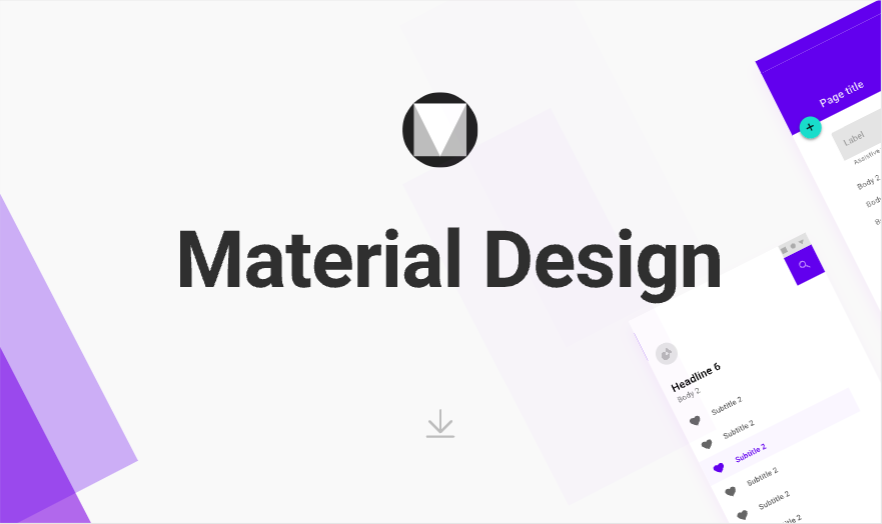
1. Material Design (Google)
A gold standard for modular, scalable design — balancing aesthetics with usability for millions of apps and websites.
2. Spectrum (Adobe)
Ensures a seamless, intuitive experience across Adobe’s huge creative software suite — from Photoshop to Illustrator.
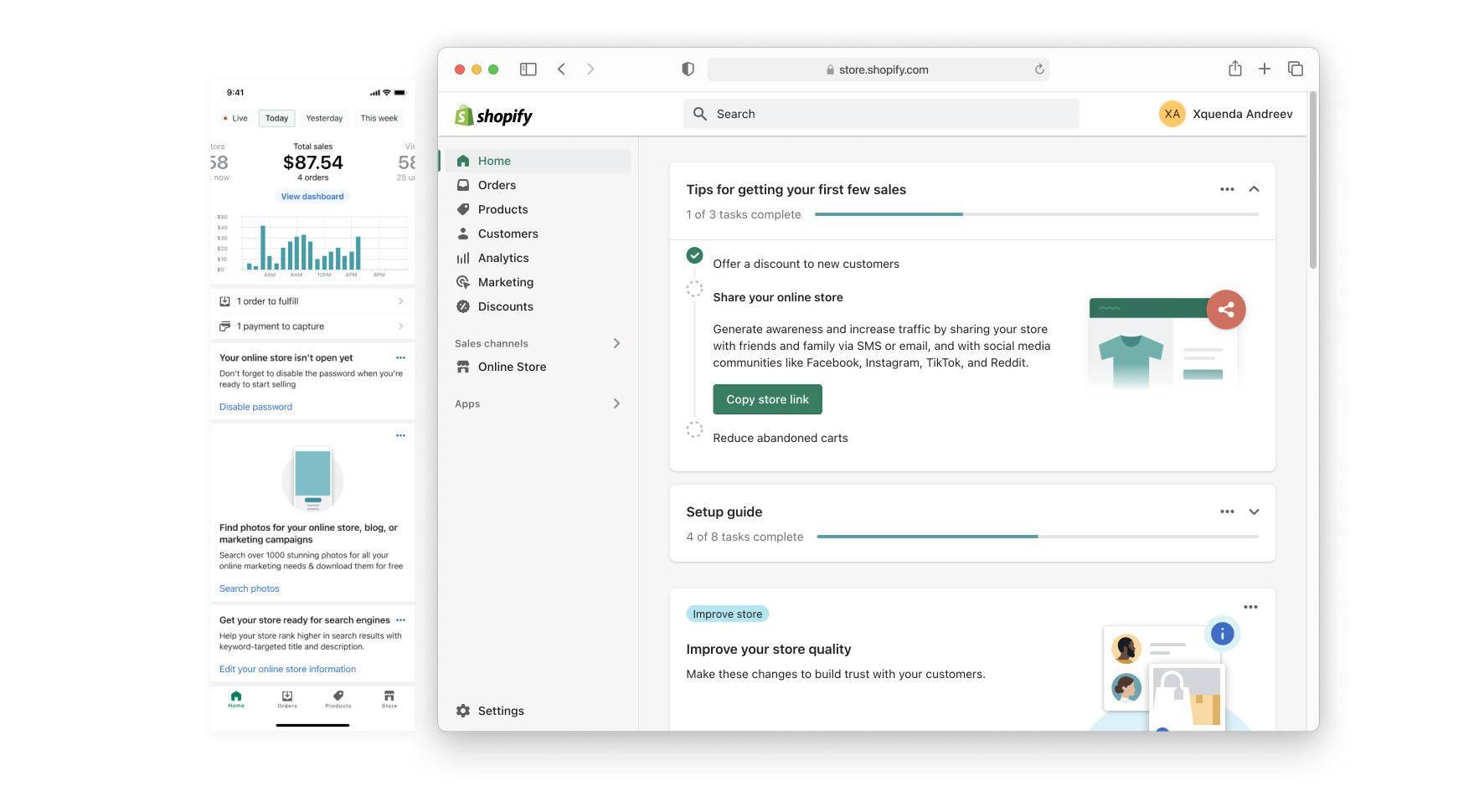
3. Polaris (Shopify)
Gives merchants the tools they need to create consistent, high-converting shopping experiences on Shopify.
4. Lightning Design System (Salesforce)
Built for rapid app development, Salesforce’s system empowers companies to create enterprise-grade solutions at lightning speed.

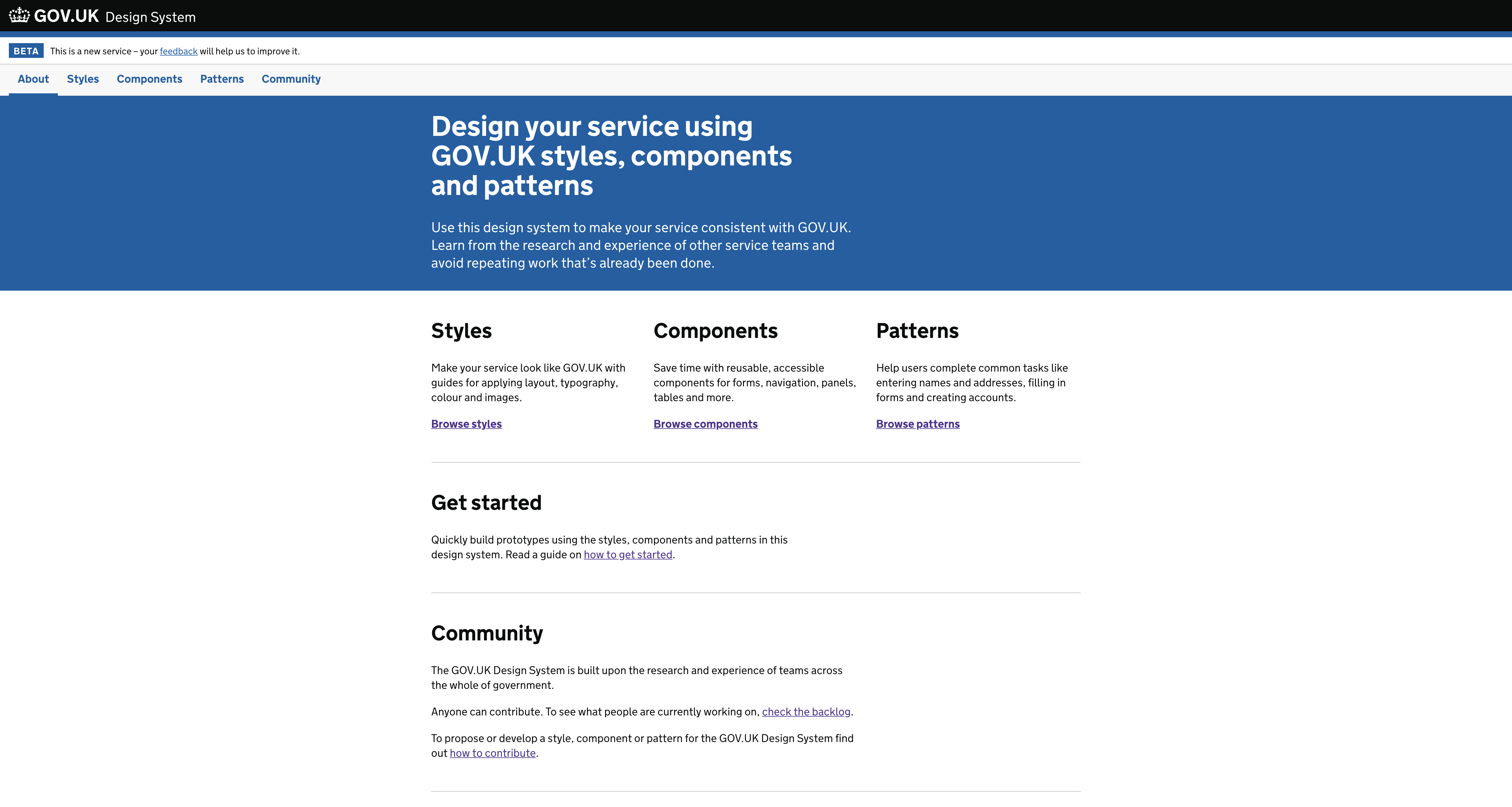
5. GOV.UK Design System
Proof that even government platforms can be simple, accessible, and user-friendly when built on solid design foundations.
Future-Proof Your Brand with a Dynamic Design System
A well-crafted design system does more than save time — it empowers your brand to move faster, grow smarter, and connect deeper with your audience.
Whether you’re launching a new product, scaling a platform, or refreshing your brand experience, DolFinContent can deliver a scalable system built to last.
Want to discuss how we can help create a custom design system for your brand?
Let's Chat
.png)
.png)
.png)


